
Imagine buying a brand new set of tyres, only to immediately put them on a machine and remove half the tread before ever using them. It sounds ridiculous, right? Yet in the world of motorsport, this practice, known as tyre buffing or tyre shaving, is surprisingly common. In highly competitive racing categories like Circuit Excel, where engines, gearboxes and suspension components are tightly regulated, competitors are constantly searching for small advantages. Tyres are one of the most important factors in a race car's performance, and preparing them correctly can make a significant difference. But what makes a shaved tyre better than a brand new one? And perhaps more surprisingly, how can a tyre with less tread actually last longer? With the help of our friends at Excel Garage, we're breaking down the science and practical benefits behind one of grassroots motorsport's more unusual preparation techniques.
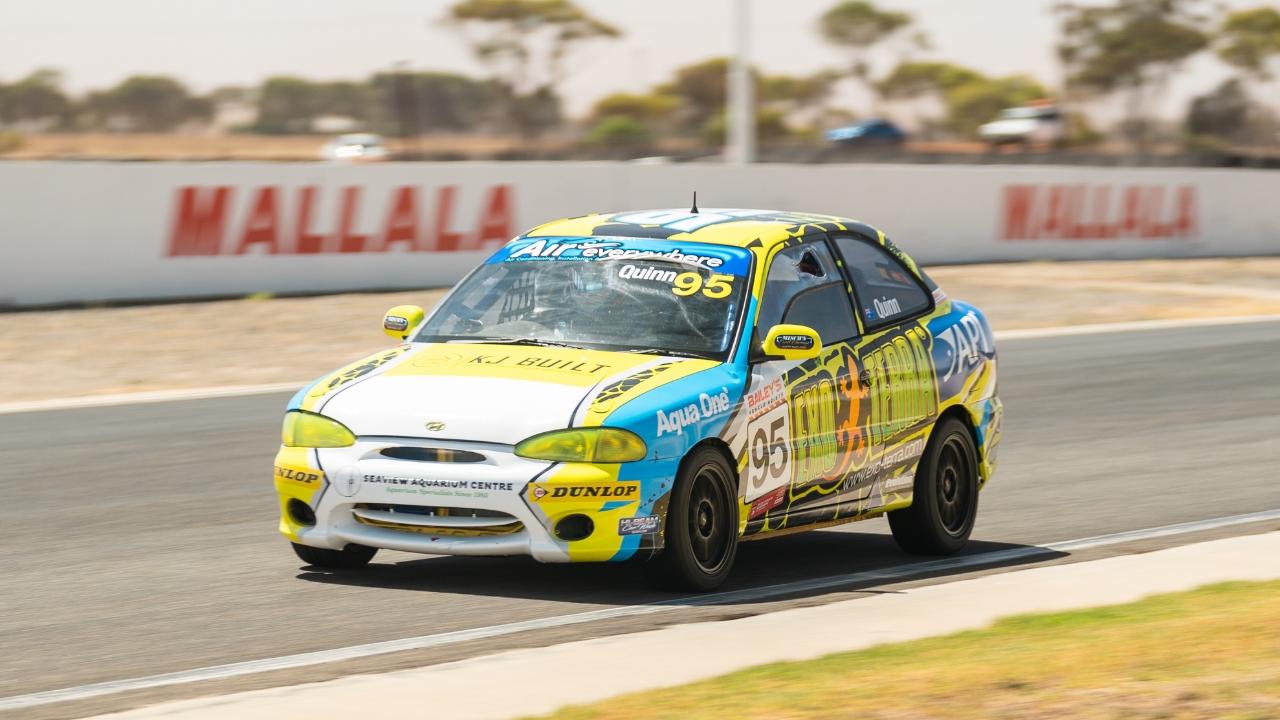
One of the biggest advantages of tyre buffing comes from changing the shape of the tyre's contact surface. When a treaded racing tyre comes out of the mould, its tread surface typically has a rounded profile, with the shoulders curving away from the centre. This means the tyre doesn't necessarily place its entire tread width evenly against the road, particularly when running the aggressive wheel camber settings commonly used in circuit racing. By carefully machining away the outer layer of rubber, tyre buffing can create a flatter tread profile, potentially increasing the amount of usable rubber making contact with the circuit. The difference is often noticeable when comparing a buffed tyre directly alongside an unmodified one, with the shaved tyre appearing flatter and wider across the tread face. This change can improve grip and steering response, particularly on dry circuits. It also opens up additional opportunities when tuning the handling balance of a race car, as the different characteristics of buffed and unbuffed tyres can influence how the front and rear of the vehicle behave.
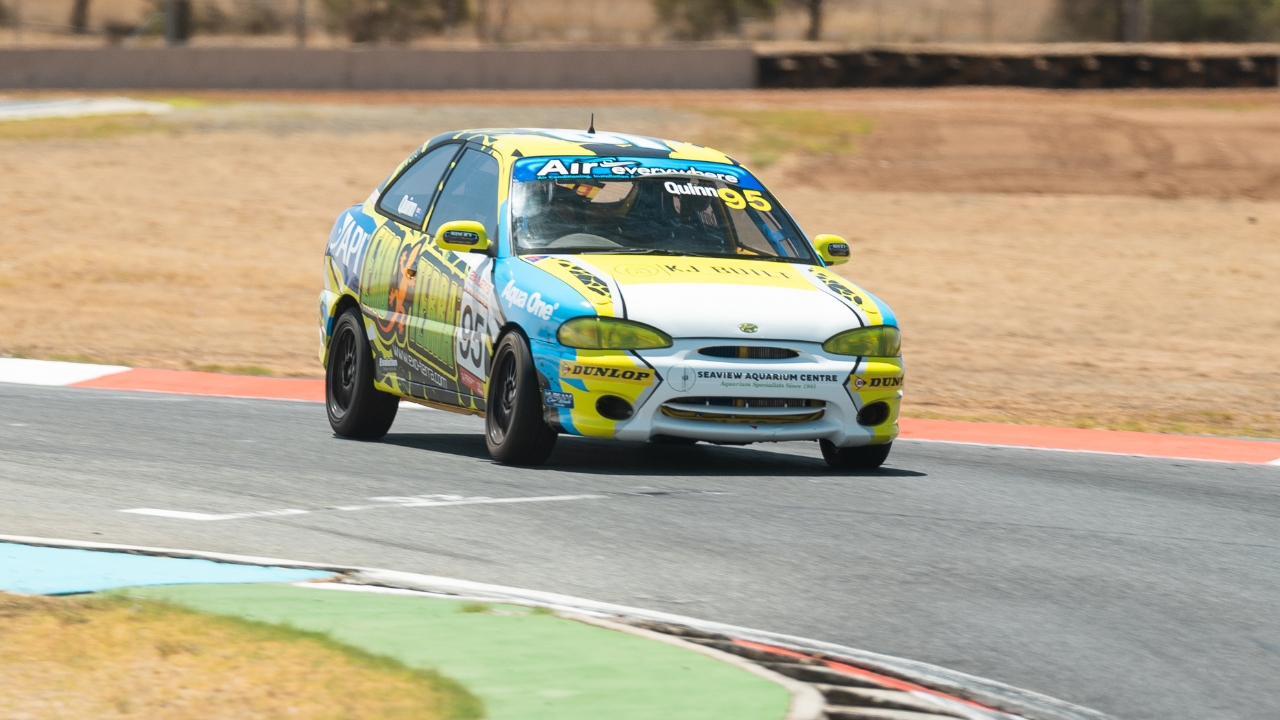
Another significant benefit comes from reducing what's known as tread squirm. On a full-tread tyre, the individual rubber tread blocks are relatively tall and can flex or move under the forces generated during braking, acceleration and cornering. When the tyre is buffed, these blocks become shorter and more stable, reducing the amount of unwanted movement between the wheel and the road surface. This can create a more responsive and predictable tyre, giving the driver greater confidence when pushing towards the limit. Buffing also removes the outermost layer of rubber, exposing fresh compound beneath the surface. Depending on the tyre's construction and condition, this can provide a more responsive surface than the original tread. Some racers even wrap their freshly prepared tyres to help limit their exposure to the air before they're used. There are also some smaller benefits, including a reduction in rotating mass from the rubber removed during machining. While the weight saving is relatively minor, in a control racing category where almost every mechanical component is regulated, these small improvements can contribute to a competitive advantage.

Perhaps the most surprising benefit of tyre buffing is that, under the right conditions, it can actually improve the usable lifespan of a racing tyre. It seems completely counterintuitive. Surely removing half the tread means the tyre will wear out twice as quickly? Not necessarily. In Circuit Excel, cars commonly run around three to four degrees of negative camber to improve cornering performance. Combined with the rounded profile of a new tyre, this places significant load on the inner shoulder, resulting in uneven wear. It's not unusual to find that the inner edge of a tyre has worn beyond the category's legal minimum tread depth while the centre still has plenty of usable rubber remaining. At that point, the tyre can no longer be used in competition, despite much of its tread still being in good condition. By flattening the profile through buffing, the aim is to distribute the load more evenly across the tread, reducing excessive shoulder wear. Although the tyre starts with less rubber, more consistent wear can allow it to remain competitive and legal for longer. In our experience, a properly prepared set of buffed tyres may last two or three race meetings, depending on the circuit, setup and driving conditions. The important distinction is that tyre life isn't determined solely by how much tread you start with, but by how evenly you use it.

Despite their advantages, buffed tyres aren't necessarily the best choice for every situation. The most obvious limitation is wet-weather performance. Tread grooves are essential for evacuating water from beneath the tyre, helping maintain contact with the road and reducing the risk of aquaplaning. By removing tread depth, buffing reduces the tyre's ability to disperse standing water. This makes full-tread tyres the preferred option for wet conditions. Interestingly, Circuit Excel uses the same control tyre for both wet and dry racing. Our wet-weather tyres are simply unbuffed tyres, typically given a gentle run-in before being stored for rainy conditions. There's also the question of cost. Buffing requires additional machining after purchasing the tyres, increasing the initial expense of preparing a race set. In a grassroots category designed around affordable and accessible motorsport, this creates an interesting debate about whether the performance advantage justifies the expense. National events have introduced limits on tyre allocations to help control costs and discourage competitors from using excessive numbers of specially prepared tyres. We support this approach and believe similar restrictions at state level could help keep competition affordable while still allowing drivers to benefit from improved tyre preparation.

Tyre buffing is one of those motorsport techniques that initially seems completely backwards, but starts making sense once you understand what's happening between the rubber and the road.
By reducing tread movement, modifying the contact profile and potentially improving wear distribution, shaving a racing tyre can provide noticeable benefits in both performance and longevity.
For Circuit Excel competitors, where so much of the car is governed by control regulations, understanding how to get the most from your tyres is an important part of finding a competitive advantage.
Of course, there are compromises. Buffed tyres aren't ideal for wet conditions, they cost more to prepare, and the benefits will vary depending on the tyre, vehicle setup and driving conditions.
A massive thank you to the team at Excel Garage for sharing their knowledge and helping us better understand the finer details of tyre preparation. It's exactly this kind of experience and technical knowledge that makes being part of a racing team so valuable.
Whether you're an experienced racer or just getting started in grassroots motorsport, tyre preparation is certainly something worth exploring.
Because in motorsport, sometimes removing rubber is the secret to making your tyres last longer and your car go faster.
