
Have you ever found yourself leading a race, setting a personal best lap, or performing better than you expected, only to suddenly become overwhelmed by the pressure of maintaining that performance? It's a surprisingly common experience in motorsport and across competitive sports. During Race 2 of the opening round of the 2026 South Australian Motor Racing Championship at The Bend Motorsport Park, we found ourselves facing exactly this challenge. After a competitive opening race, we'd lined up on the grid hoping to continue building momentum. What followed was an intense battle, a series of unexpected retirements and an opportunity to achieve our best result yet in Circuit Excel. But as the race unfolded, we discovered that sometimes the biggest challenge isn't the competitors around you. It's what's happening inside your own head.
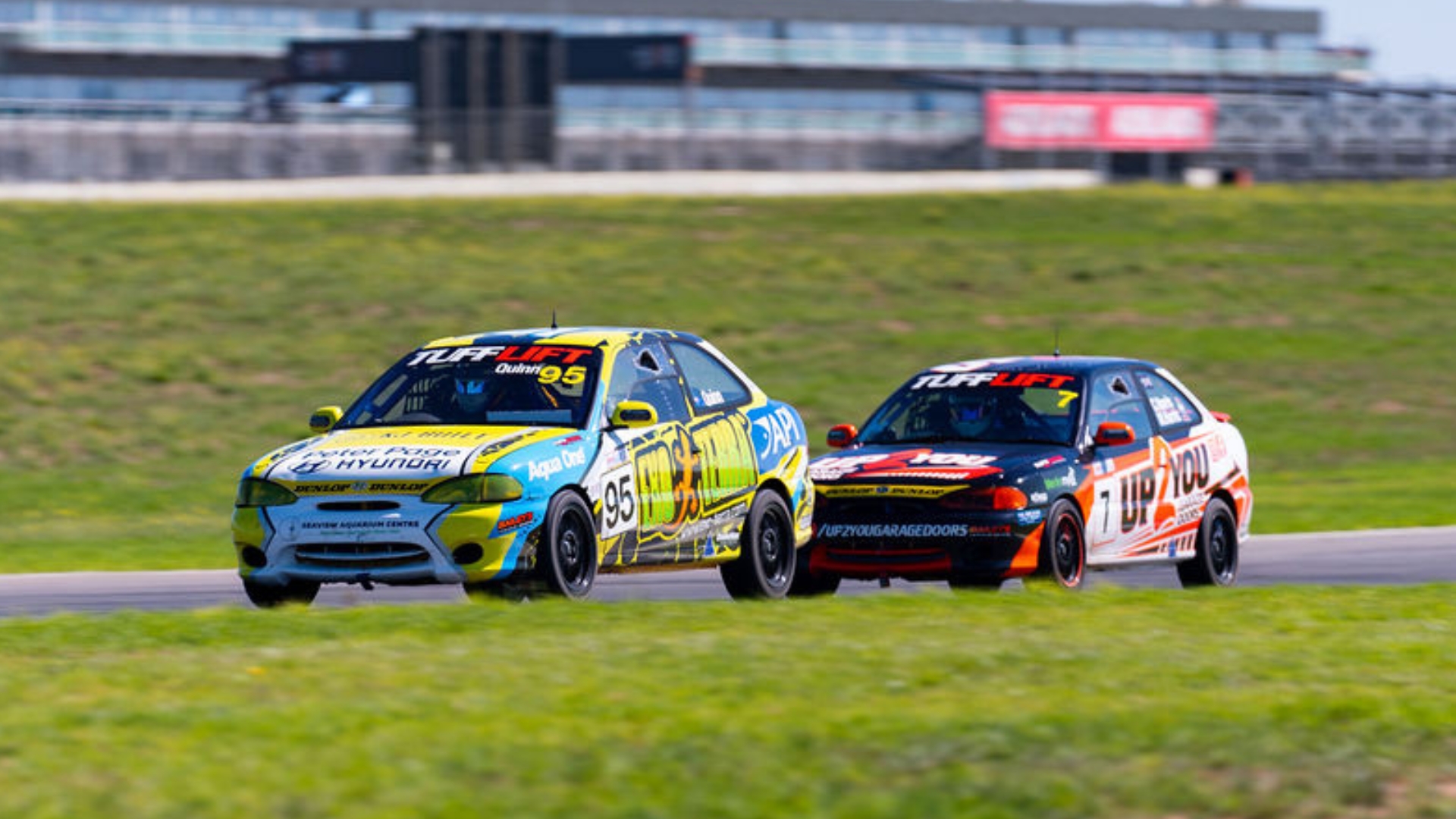
Following a respectable start, Cameron found himself battling Isaac Sparks into Turn 1. Isaac managed to get ahead, while Ben Gallea slipped through on the inside, leaving us right back in the tightly packed group we'd spent much of Race 1 fighting. However, it wasn't long before the race began to unravel for several competitors. Isaac's car started producing smoke before suffering an engine failure, forcing him into retirement. Shortly afterwards, Ben's gearbox failed, bringing his race to an abrupt end. Further up the order, Asher pulled off with a mechanical problem, while Elliot Redwood ran off the circuit. With several other incidents unfolding ahead, we suddenly found ourselves in a remarkably strong position. There were no longer any cars directly ahead to chase, but an entire train of competitors was following closely behind. What had started as another midfield battle had unexpectedly become an opportunity to secure our best Circuit Excel result. And that's when the pressure began to build.
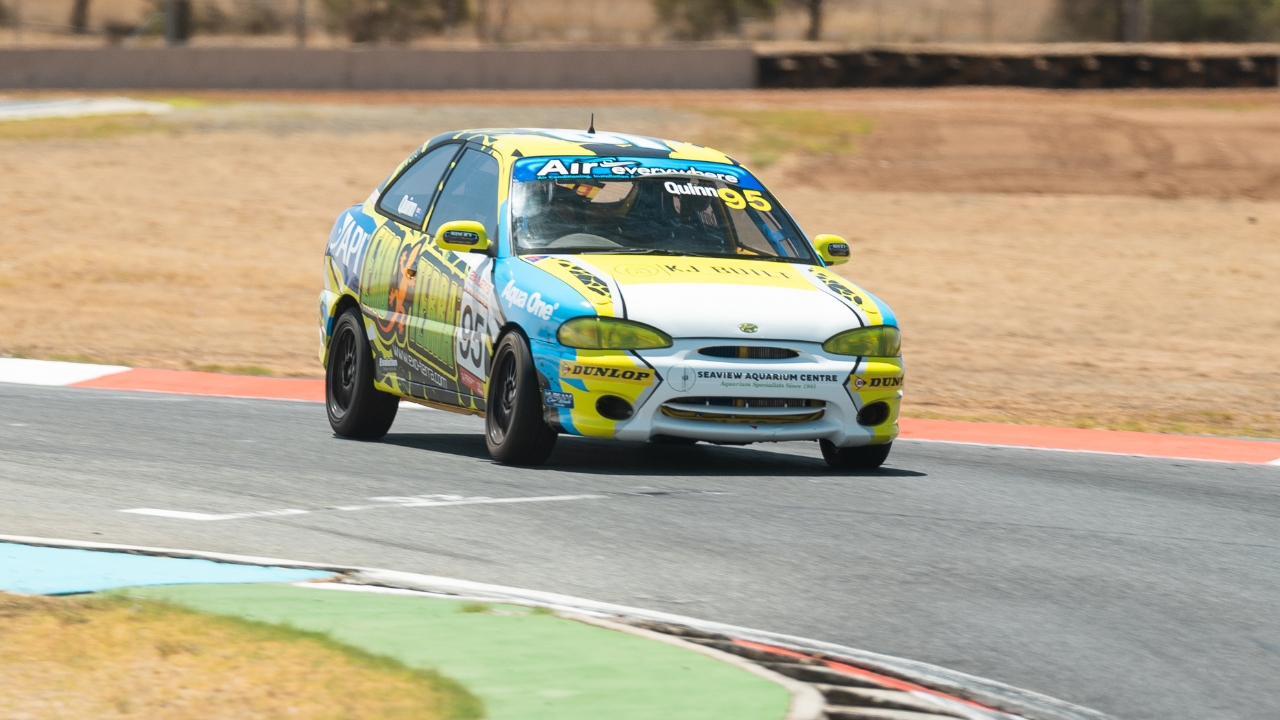
There's an interesting psychological shift that can happen when a driver moves from chasing a result to defending one. When you're hunting down the car ahead, your attention is focused on the immediate task: finding braking points, hitting apexes, maximising corner exits and identifying overtaking opportunities. At your best, these actions begin to feel almost automatic. This is often described as being in a flow state, where your skills and concentration come together and you're completely immersed in what you're doing. But when you suddenly find yourself in a strong position, your mindset can change. Instead of thinking about how to improve your position, you begin worrying about losing it. What was previously an exciting challenge can start to feel like a threat. Psychologists often describe this as a shift from a challenge state towards a threat state. You're no longer simply trying to perform at your best; you're becoming increasingly concerned about making a mistake. And ironically, that concern can make mistakes more likely.

One explanation for this phenomenon is something psychologists call explicit monitoring. Normally, an experienced driver performs many of the actions involved in driving almost automatically, relying on skills developed through hours of practice. However, under pressure, they may begin consciously analysing movements that would otherwise happen instinctively. Suddenly, instead of simply braking for a corner, you're thinking about whether you're braking too early or too late. Instead of naturally applying the throttle, you're worrying about being too aggressive. This additional mental interference can disrupt your rhythm, resulting in hesitation, missed apexes, inconsistent braking and unnecessary mistakes. It's not unique to motorsport, either. A tennis player might suddenly double-fault at match point, or a footballer might miss a straightforward shot at goal when the outcome of the game depends on it. The skills haven't disappeared. The pressure has simply changed how the athlete approaches performing them. In racing, where decisions must be made in fractions of a second, even small disruptions to your concentration can have significant consequences.

So, how do you prevent yourself from falling into this trap? For Cameron, one of the most effective strategies is maintaining an external focus on the circuit rather than becoming distracted by the cars behind. That doesn't mean ignoring your mirrors or losing awareness of nearby competitors. It means refusing to let the pressure of defending a position become your primary focus. Instead of thinking about steering inputs, throttle percentages or the consequences of making a mistake, concentrate on the things directly ahead: braking markers, corner apexes and exits. These provide clear, immediate objectives that help maintain a consistent driving rhythm. The goal is to keep approaching each corner with the same mindset you had when chasing the cars ahead. During Race 2, this became particularly important as we found ourselves protecting a promising result with competitors closing in behind. Fortunately, we managed to maintain our composure and bring the car home with a strong finish. More importantly, the experience provided another valuable lesson in managing pressure and developing as a racing driver.

Motorsport is as much a mental challenge as it is a physical one. While car setup, mechanical reliability and driving technique are all critical to success, the ability to perform consistently under pressure is just as important.
Our second race of the 2026 Circuit Excel SA season was a reminder that finding yourself in a strong position can introduce an entirely different set of challenges. It's easy to remain focused when you're chasing a competitor, but maintaining that same mindset when you're the one being chased takes discipline and experience.
For Quinn Racing, developing those mental skills is an important part of our progression through the incredibly competitive Circuit Excel field. Every race provides an opportunity to learn, and sometimes the most valuable lessons aren't about finding another tenth of a second.
So, the next time you find yourself in a position where everything seems to be going your way, don't become consumed by the fear of losing it. Focus on the task ahead, trust the skills you've developed and keep driving.
Because the moment you start driving not to lose, you risk forgetting how to drive to win.
